Workplace Wellbeing & Ergonomics
Work affects how we use ourselves

Modern work—whether in an office, studio, or at home—often involves long periods of sitting, screen use, and sustained attention. Over time, these demands shape posture, breathing, and movement in ways that are rarely noticed until illness, discomfort, or fatigue appears.
Neck and shoulder tension, back pain, headaches, eye strain, and a sense of mental overload are common experiences for people who work at computers or desks. While chairs, desks, and screen height matter, they are only a part of what needs to be considered.
Workplace wellbeing depends not just on the setup, but on how a person uses themselves within it.
Beyond ergonomic checklists
Traditional ergonomics often focuses on equipment: the right chair, the right desk height, and the right screen position etc.
While these factors are important, they cannot address habitual unhealthy patterns such as:
Holding tension while concentrating
Bracing the neck and shoulders during computer use
Collapsing or stiffening when sitting for long periods
Overworking the upper body while underusing support from the legs and back
Alexander Technique complements ergonomic principles by addressing the human element—how people move, sit, organise themselves, respond to work demands, and sustain effort over time.
How Alexander Technique supports workplace wellbeing
Alexander Technique is a practical, educational approach that helps people recognise and change habitual, unhealthy patterns that contribute to discomfort, fatigue, and strain at work. Alexander Technique can help to:
Reduce neck, shoulder, and back tension linked to desk and computer use
Improve posture without rigidity, supporting comfort and adaptability
Support easier breathing, even during focused or stressful tasks
Increase awareness of unhelpful habits, such as bracing or over-effort
Enhance focus and clarity, reducing mental fatigue
Support nervous system regulation, helping people respond more calmly to pressure
Rather than asking people to “sit better” or try harder, the work helps reduce unnecessary and unhealthy sitting, standing, movement, and posture, making work more sustainable.

Posture, attention, and nervous system regulation
Posture at work is not just mechanical—it reflects how attention is directed and how the nervous system responds to demand.
When work feels pressured or absorbing, many people unconsciously tighten, hold their breath, or over-stabilise the upper body. Over time, these patterns can contribute to pain, reduced mobility, and ongoing fatigue.
Alexander Technique helps people notice these responses and develop more supportive ways of sitting, standing, typing, and moving—without disrupting productivity.
Supporting hybrid and home-based work
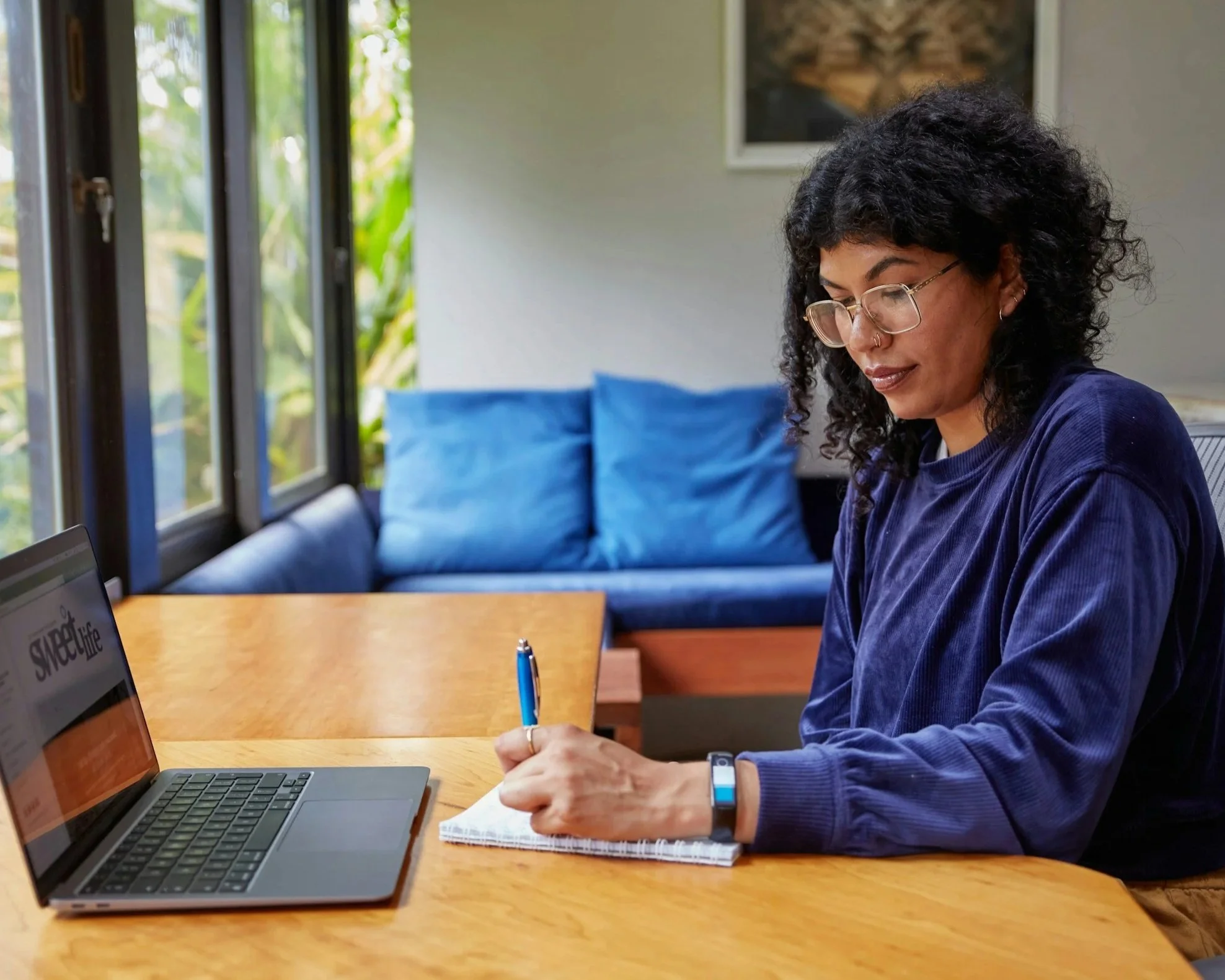
Working from home has increased lifestyle flexibility, but often at the cost of makeshift setups, prolonged screen time, and fewer natural movement breaks.
Alexander Technique work supports people to:
-Adapt to varied work environments
-Use less effort even when conditions aren’t ideal
-Develop skills that travel between home, office, and mobile work
Rather than relying solely on perfect equipment, people gain practical skills they can use in any setting.
“Learning online was surprisingly effective. I could apply what I learned directly to my own workspace, and I felt much more supported and at ease.”
— Chloe, Melbourne

Alexander Technique benefits:
Office and administrative staff
People working from home or in hybrid roles
Knowledge workers, educators, and professionals
Teams experiencing stress, fatigue, or recurring discomfort
There is no requirement to discuss personal or professional issues—the focus remains on practical skills that support everyday work.

A calm, practical approach
Cathy Dowden’s approach to workplace wellbeing is calm, practical, and respectful of real work demands. The focus is on supporting comfort and efficiency without adding complexity or interruption.
→ Read more about Cathy Dowden
Not therapy — practical workplace education
Alexander Technique does not diagnose or treat medical conditions. It offers practical, body-based education that complements ergonomics, occupational health, physiotherapy, and other workplace wellbeing initiatives.
Many people find that improving how they use themselves at work reduces discomfort and supports clearer thinking, energy, and resilience.
All of this work is underpinned by the principles of the Alexander Technique.
→ Learn more about Alexander Technique
Workshops and in-service sessions
Workplace wellbeing workshops and in-service sessions are available for organisations and teams.
These sessions focus on:
Practical strategies for sitting, standing, and computer use
Reducing tension during focused work
Supporting posture and movement throughout the workday
Applying principles in real work contexts
Sessions can be tailored for workplaces, teams, or professional groups.
Ask about Workplace Workshops & In-Services
How to benefit
Private lessons, group classes, and workshops are available in northern Melbourne. Workplace sessions available on-site.
Many people find that a combination of individual learning and workplace education offers the most effective support.
→ Ask about Workplace Workshops & In-Services
→ Contact Cathy to ask a question or book a session