Posture & Everyday Movement
Rethinking posture
Posture is often misunderstood as something to be held or corrected from the outside. Many people have been told since childhood to “sit up straight” or “pull their shoulders back”. This can often result in unaddressed, heightened tension rather than ease.
From an Alexander Technique perspective, posture is not a fixed position. It is a dynamic, whole-body process that reflects how a person organises themselves moment by moment—while sitting, standing, moving, working, or resting.
When posture is correct, it can change in ways that feel lighter, more sustainable, and more supportive.
Alexander Technique improves posture by changing how movement is organised, rather than unhealthy habits.
Posture as a whole-person pattern
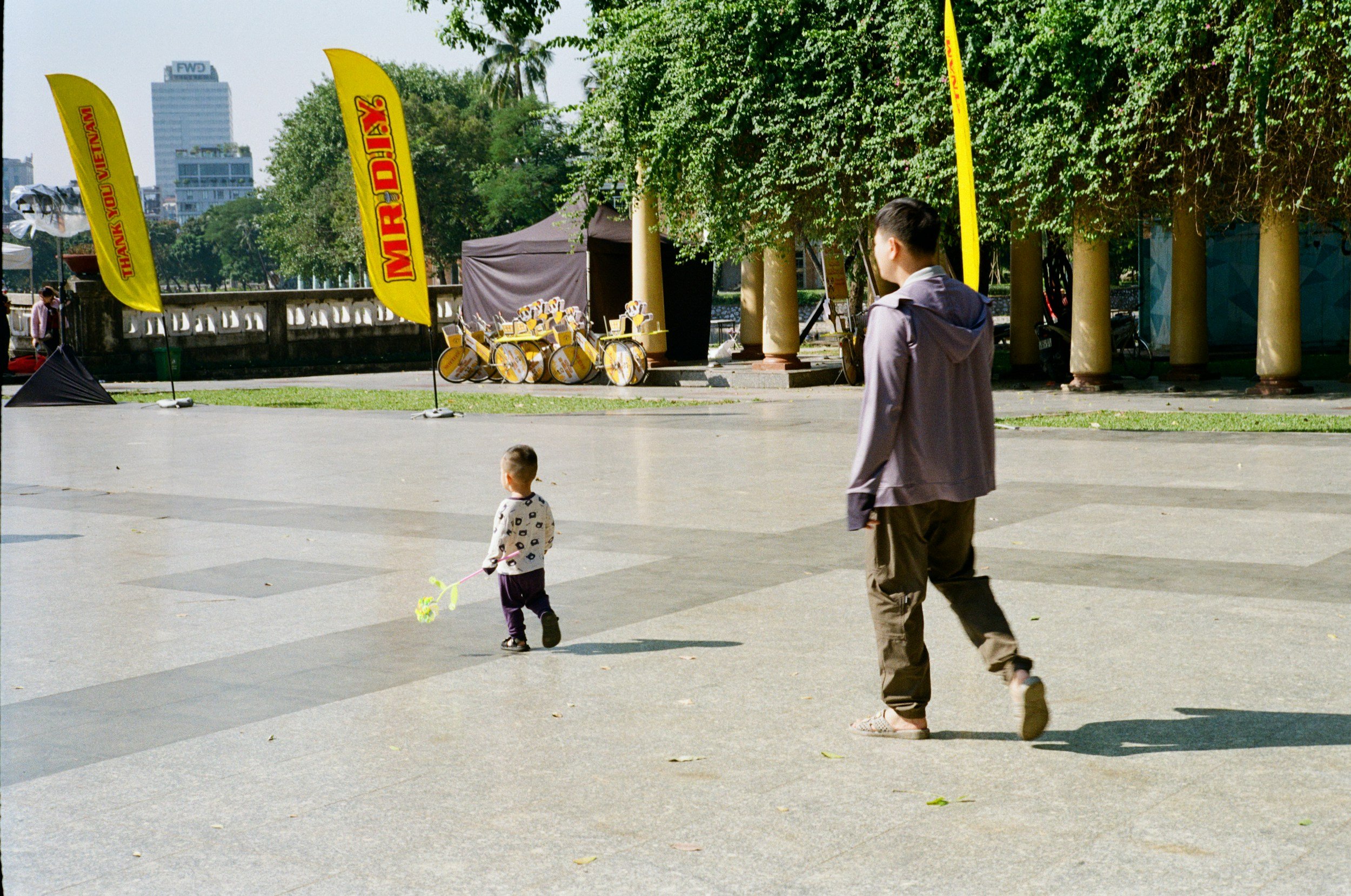
Posture is shaped by attention and emotional state as much as muscles. Feeling rushed, guarded, or fatigued often leads to being unaware of unhealthy posture.
Postural habits develop over time and are influenced by many factors, including:
Movement patterns and coordination
Nervous system state and stress levels
Work demands and repetitive tasks
Attention, fatigue, and emotional load
Past injury, pain, or protective habits
When we are under stress, our posture often becomes more rigid or collapsed. When someone feels supported and at ease, their posture tends to be healthier and more relaxed.
This close relationship between posture, biomechanics, and nervous system regulation means that lasting change involves more than muscular effort alone.

How Alexander Technique lessons help posture
Alexander Technique does not aim to impose “good posture.” Instead, it helps people change how they organise movement and support in everyday life.
Through lessons and body–mind coaching, this work supports posture by:
Reducing unnecessary muscular effort
Identifying and releasing habitual tension that interferes with healthy balance and coordination.
Improving biomechanical organisation
Redistributing effort more evenly through the body so joints and muscles are not overloaded.
Supporting nervous system regulation
As posture becomes less effortful, the nervous system receives clearer signals of safety and support.
Developing awareness and adaptability
Learning to notice unhealthy postural habits as they arise and adjust them without force.
Integrating posture into real life
Applying these skills while sitting, standing, walking, working, or performing everyday tasks.

A gentle, respectful approach
Trying to “fix” posture through effort often increases tension and discomfort.
Cathy Dowden’s approach is calm, strategically paced, and collaborative. Lessons are adapted to the individual’s need, comfort and capacity, whether sitting, standing, or moving slowly. There is no requirement to hold positions or perform exercises. The focus is on restoring ease and coordination through awareness and support.
→ Read more about Cathy Dowden
This work is suitable for people experiencing:
Ongoing neck, shoulder, or back tension
Postural fatigue or discomfort
Desk-related strain
Stiffness or reduced mobility
A sense of effort or collapse in standing or sitting
“Maybe the most useful thing was learning to hold my head loosely rather than straining to hold it up. Over the years I had lost that natural ability.”
— Peter, retired scientist, Melbourne
→ Read more Reviews
Not therapy, not correction — practical education
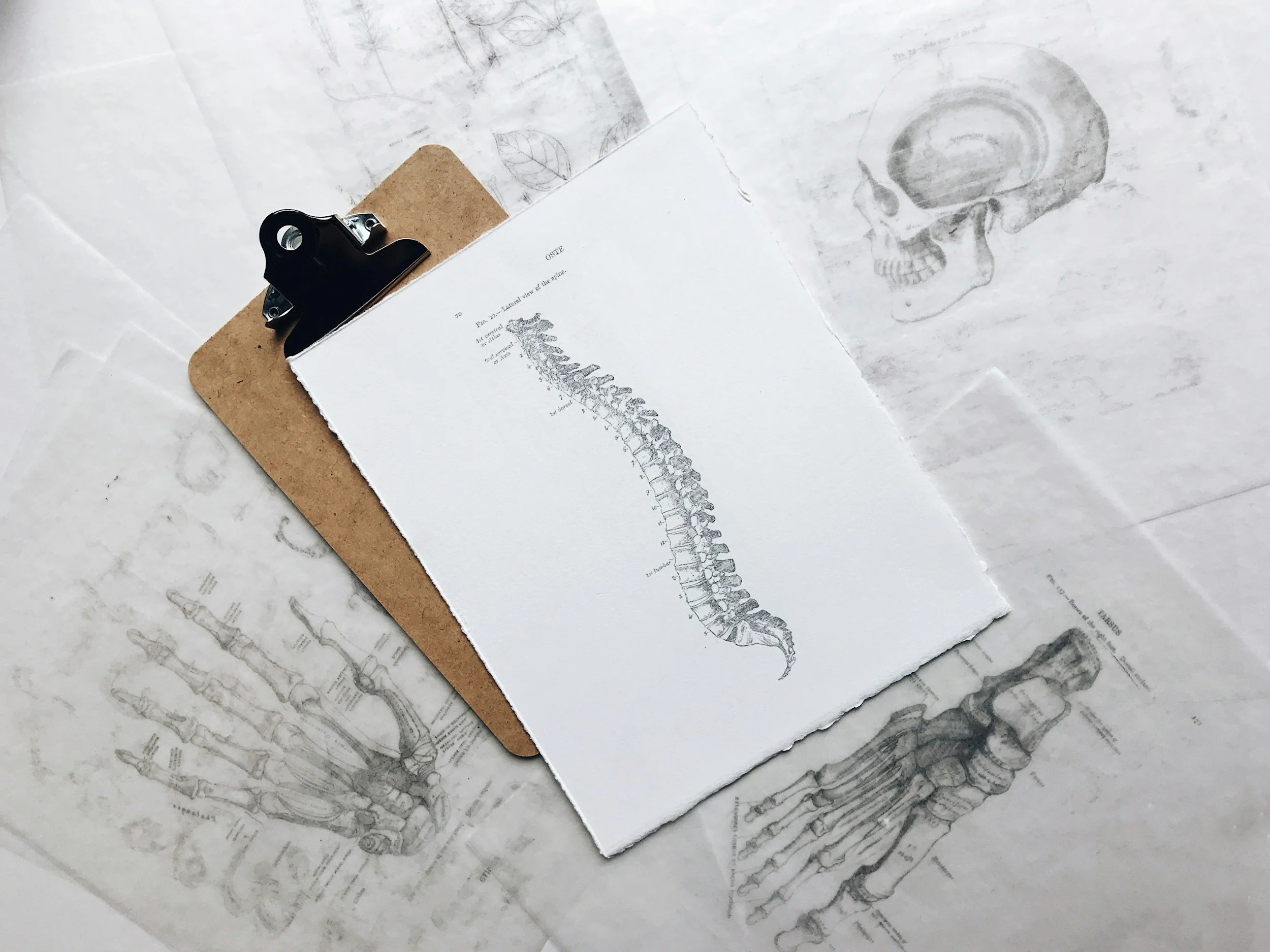
Alexander Technique does not diagnose or treat postural conditions. It is a form of practical, body-based education that can complement physiotherapy, medical care, and other therapeutic approaches.
Many people find that learning to organise posture more efficiently reduces strain and improves comfort over time. This is not about sitting up straight or doing exercises. It is about learning to move well, with adaptability and choice.
All this work is underpinned by the principles of Alexander Technique.
→ Learn more about Alexander Technique

How poor posture creates strain
Many people unconsciously try to “hold themselves up” from the top—overworking the neck, shoulders, and back. This can lead to:
Neck and shoulder tension
Compressed or stiff movement
Fatigue from unnecessary muscular effort
Reduced breathing capacity
A sense of heaviness or collapse over time
True postural support comes from the ground up. When the feet and legs provide reliable support, the spine can lengthen and balance more freely, and the upper body no longer needs to brace.
This redistribution of effort reduces mechanical strain and supports a healthier, calmer, and more adaptable nervous system.

Skills that carry into daily life
Posture is not something to remember to “do.” It emerges naturally as movement becomes better supported.
The skills learned through Alexander Technique lessons can be used throughout daily life—at a desk, while walking, lifting, speaking, or resting.
Over time, these skills support a posture that is healthier, more balanced, responsive, and sustainable.

How to benefit
People often begin with an initial private lesson or an introductory workshop to experience how this approach applies to their own circumstances.
Private lessons, group classes, and workshops are available in northern Melbourne.
→ Contact Cathy to ask a question or book a session