Stress & Anxiety
When stress and anxiety build quietly

Stress and anxiety rarely appear suddenly. Usually, they develop over time through prolonged busyness, responsibility, and pressure. Many people are highly capable of managing multiple roles and demands, staying functional even as strain accumulates.
Because of this, stress and anxiety can go unnoticed until they begin to affect health—physically, mentally, or emotionally. At that point, the effort of coping can increase anxiety further, creating a cycle that feels difficult to interrupt.
Alexander Technique offers a practical way to break that cycle and address stress by changing how the body and nervous system respond to everyday challenges.
How stress and anxiety affect the body
Stress and anxiety are increasingly common and affect more than thoughts or emotions alone. They shape how the body organises posture, movement, breathing, attention and muscular tone. Common patterns include:
Tightening in the neck, shoulders, and jaw
Shallow or held breathing
Over-effort in everyday tasks
A sense of bracing or “holding oneself together”
Reduced ability to settle or feel at ease
These responses are learned and understandable. However, when they become habitual, they can keep the nervous system in a state of heightened alert, even in relatively safe or familiar situations, with no immediate threat.
Many people live with a background level of stress for so long that it becomes normal, only noticing it once health, mood, or energy begin to suffer. At that point, the effort of managing symptoms can add another layer of strain.
Alexander Technique lessons help people notice, understand and gently interrupt these patterns, supporting a shift toward awareness, a healthier lifestyle and choices, and greater ease and adaptability.
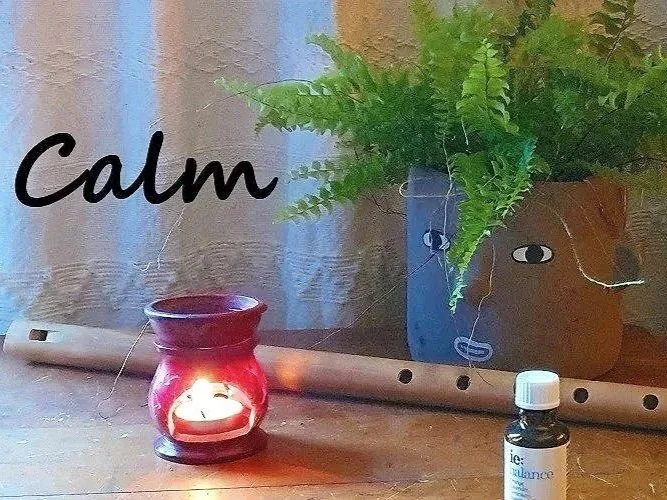
Calming without forcing
This work does not involve trying to relax, empty the mind, or push stress away. Instead, it supports:
-Awareness of habitual tension
-Improved coordination and balance
-Freer breathing
-Clearer choice in how to respond
Because the approach is natural, gentle and practical, it is often well suited to people who feel overwhelmed or depleted.
Contemporary discussions of nervous system regulation (sometimes using polyvagal language) emphasise adaptability and perceived safety. While these models are simplified, they align with Alexander Technique’s practical findings: reducing unnecessary effort supports calmer, more regulated states.
“Cathy’s consultations are filled with calm, profound advice. My body awareness improved as Cathy taught me how to relieve stress using Alexander techniques.”
— Amanda, Melbourne

Life transitions and cumulative stress
Periods of change — such as increased work demands, caring responsibilities, health challenges, or hormonal transitions including perimenopause — can place additional strain on the nervous system.
Alexander Technique recognises that thinking patterns, emotional responses, and physical habits develop together. Learning to work with these patterns can support greater awareness and steadiness during change.
A gentle, respectful approach
If someone is already feeling stressed or anxious, the last thing they need is another technique that asks them to try harder.
Cathy Dowden’s teaching style is calm, paced, and collaborative. Lessons are adapted to the individual’s comfort level—whether sitting, standing, or moving slowly. There is no requirement to talk about personal issues unless the client chooses to do so. The focus stays on practical, embodied skills that can be used immediately.
Alexander Technique benefits people experiencing:
Work-related stress or burnout
Ongoing tension linked to anxiety
Life transitions or periods of uncertainty
Performance pressure
Feeling overwhelmed or mentally overloaded
Not therapy — practical support
Alexander Technique does not diagnose or treat mental health conditions. Instead, it offers practical, simple, body-based education that can complement other forms of support, including counselling, psychology, or medical care.
Many people find that learning to respond differently in their bodies helps them feel less overwhelmed and more supported in daily life.
All this work is underpinned by the principles of the Alexander Technique.
→ Learn more about Alexander Technique
Skills you can rely on
One of the strengths of Alexander Technique is that it provides skills that can be used anywhere—at a desk, in conversation, before a difficult meeting, or during everyday activities.
Over time, these skills help people meet stressful situations and anxiety with greater ease, awareness, and choice, rather than automatic tension or reactivity.

How to benefit
People often begin with an initial private lesson or an introductory workshop to experience how this approach applies to their own circumstances.
Private lessons, group classes, and workshops are available in northern Melbourne.
→ Contact Cathy to ask a question or book a session