Athletes & Sports Performance
Performance is shaped by how the body is organised
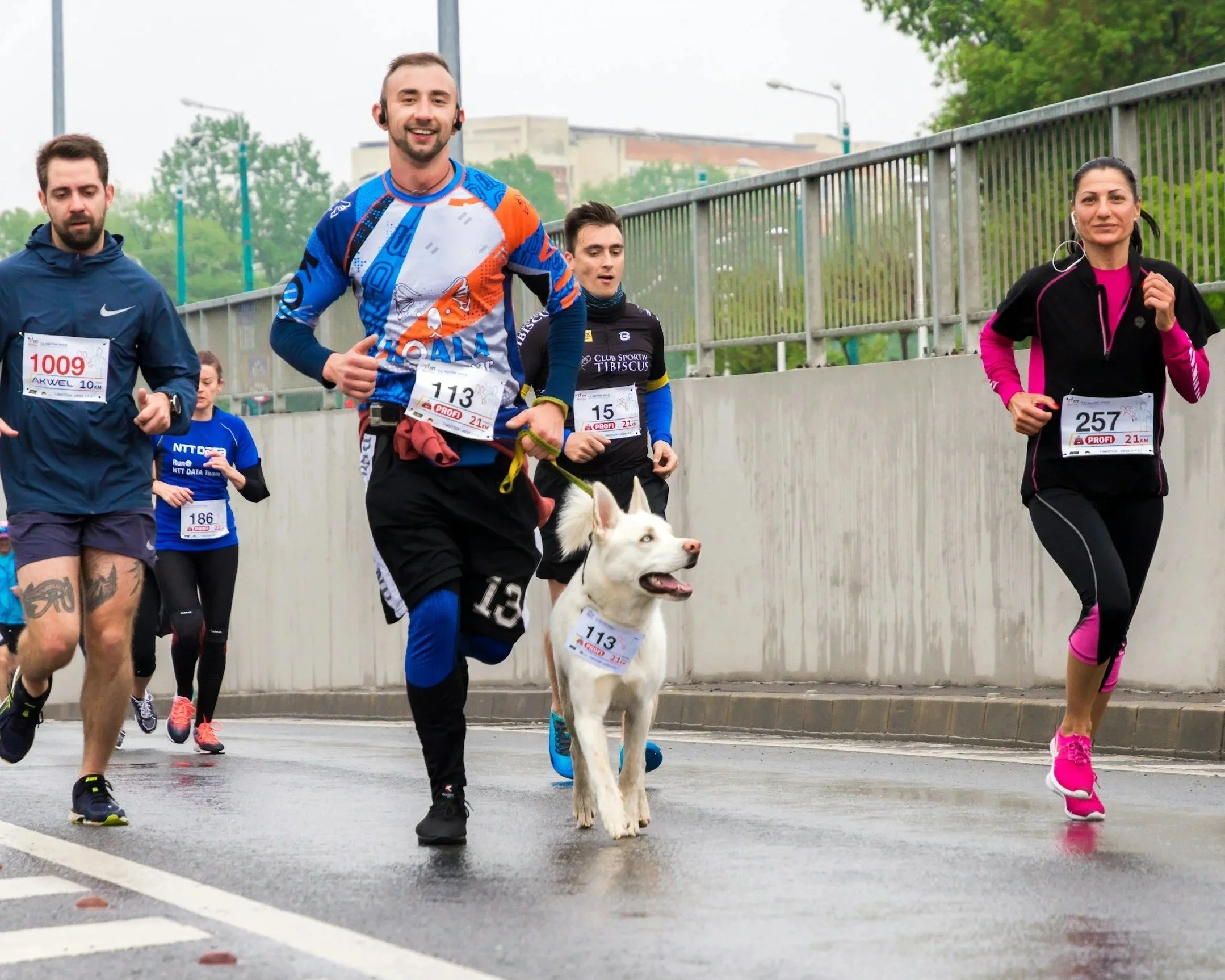
Athletes place repeated demands on their bodies — through training, competition, recovery, and often work or study alongside sport. While strength, conditioning, and skill are essential, how the body is used within those activities plays a critical role in performance, resilience, and injury risk.
Alexander Technique offers a whole-person approach to movement education for athletes and active people. It supports efficiency, coordination, breathing, and mental clarity — without adding more exercises or strain.
Rather than correcting technique from the outside, Alexander Technique lessons help athletes refine how they use their bodies from the inside out.
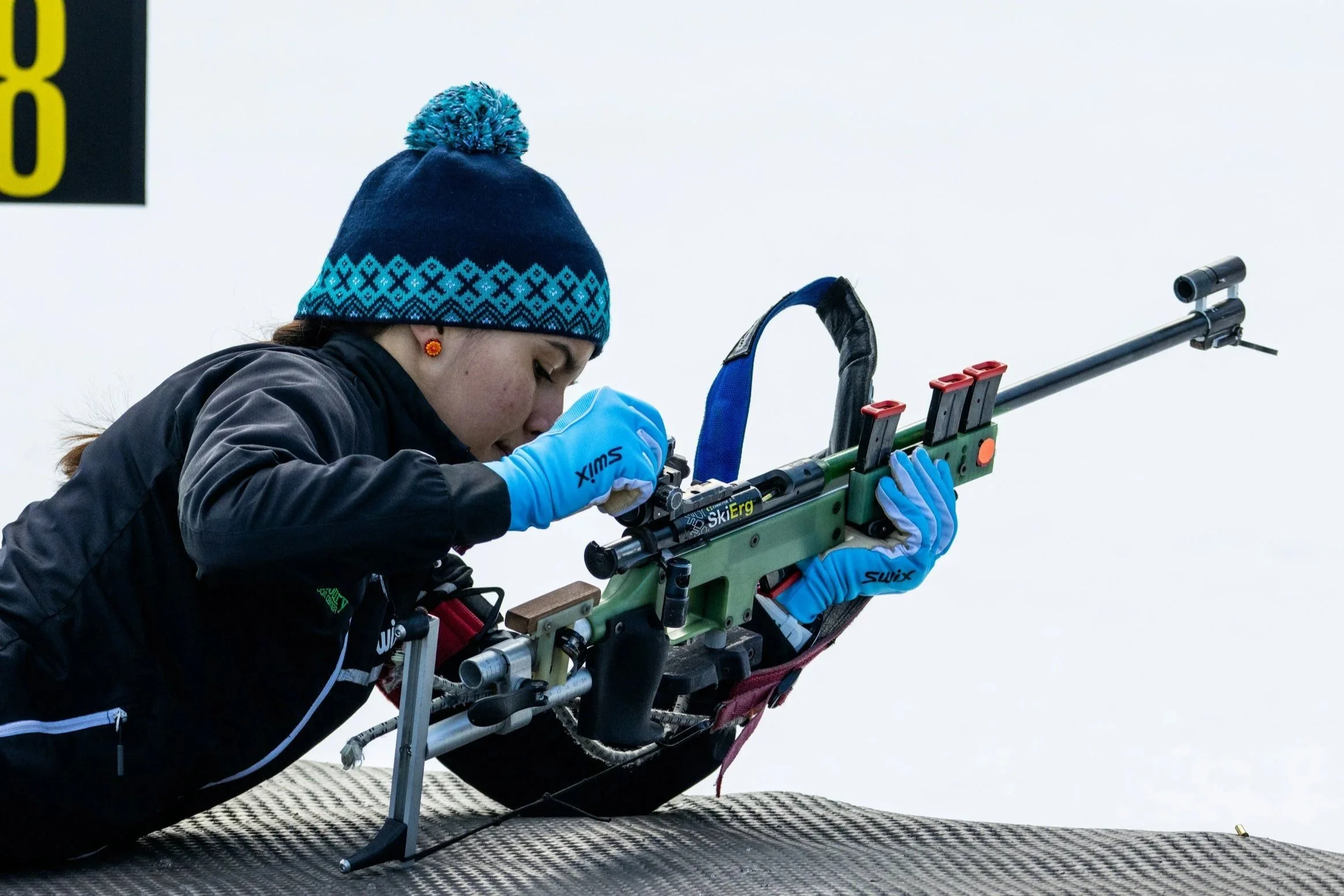
Moving well under pressure
Many sports injuries and performance plateaus arise not from lack of training, but from excess effort, bracing, or unhelpful habits developed over time.
Athletes often unknowingly:
Overwork the neck and shoulders
Brace the torso when power or speed is required
Hold tension during breathing
Push through fatigue without noticing coordination loss
Alexander Technique lessons help athletes notice and interrupt these patterns, allowing movement to become lighter, more organised, and more responsive — even under pressure.

Nervous system regulation and performance
Modern performance science recognises that coordination, reaction time, and endurance are influenced by nervous system state.
When the system is stuck in “push harder” or threat mode:
Fine motor control declines
Breathing becomes restricted
Recovery slows
Injury risk increases
Alexander Technique supports calm alertness — a state associated with better coordination, efficient force transmission, and adaptive movement.
This work is science-informed and practical, without relying on forceful relaxation techniques or rigid postural rules.
Supporting recovery and injury management
Injury, pain, or fear of re-injury can lead to protective habits such as bracing, guarding, or holding back. Over time, these responses may persist beyond tissue healing and affect movement quality.
Alexander Technique supports recovery by helping athletes:
-Recognise habitual tension linked to protection or anticipation
-Regain confidence in movement
-Reduce compensatory patterns
-Re-establish ease and coordination
This approach complements physiotherapy, sports medicine, and strength programs by improving how movement is organised within.
“Cathy helped me realise the way I was walking was having a jarring effect on my body…
The pain started to fade and was gone not long after.”
— Bruce Rigby, Melbourne
Biomechanics, posture, and efficient force
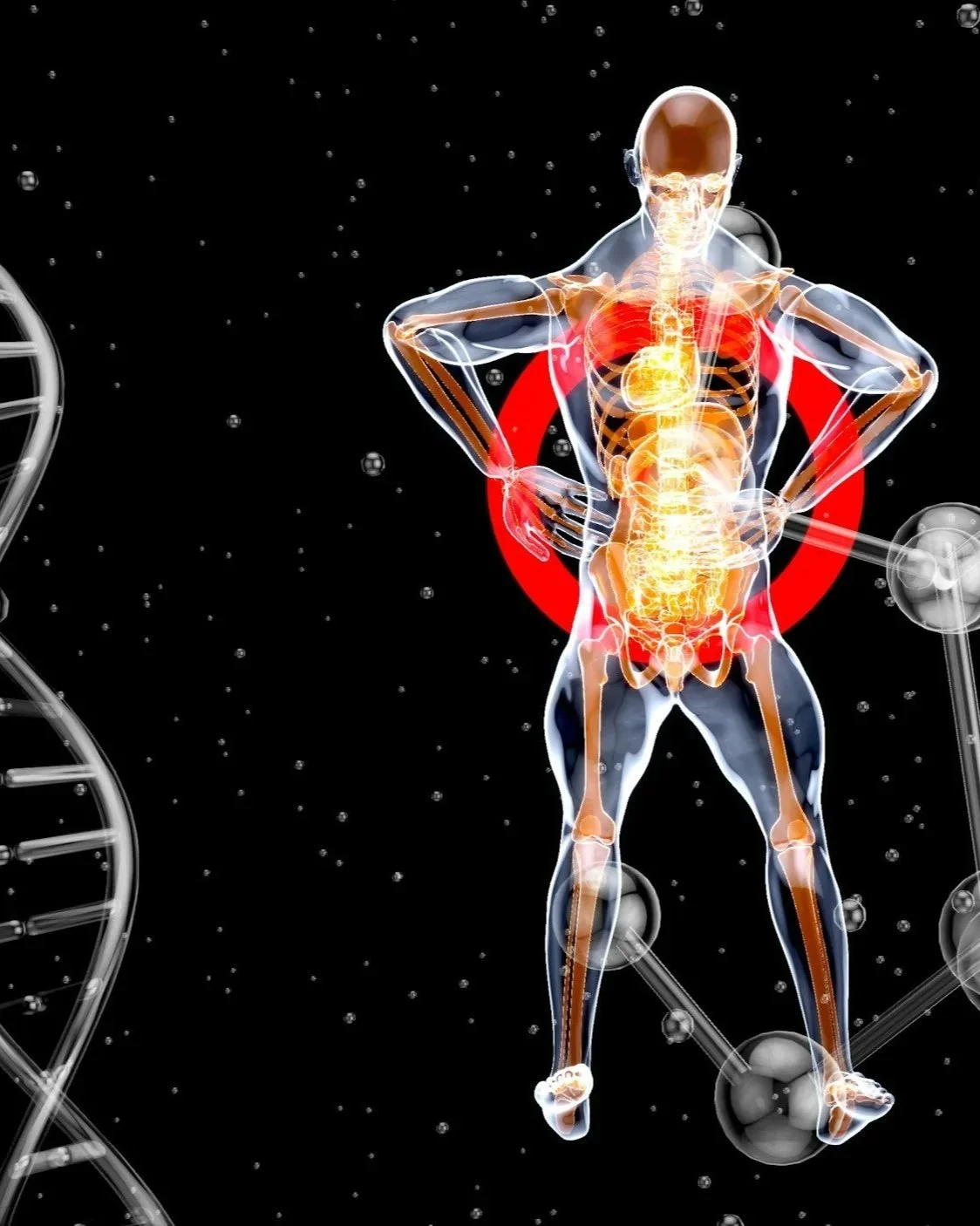
While Alexander Technique is not exercise-based, it has clear biomechanical benefits.
Athletes often report improvements in:
Postural support without rigidity
Ground reaction force and balance
Joint loading and alignment
Ease of movement through complex actions
Private lessons are particularly useful for applying Alexander principles to sport-specific training, gym work, or rehabilitation programs — helping ensure that strengthening and conditioning efforts are effective rather than reinforcing strain.
→ Learn more about Private lessons
Not treatment — practical performance support
The Alexander Technique does not replace medical care, physiotherapy, or coaching. Instead, it provides movement education that complements existing training, rehabilitation, and conditioning programs.
Many athletes find that this approach helps them train smarter, move with greater ease, and sustain performance over time.
All of this work is underpinned by the principles of the Alexander Technique.
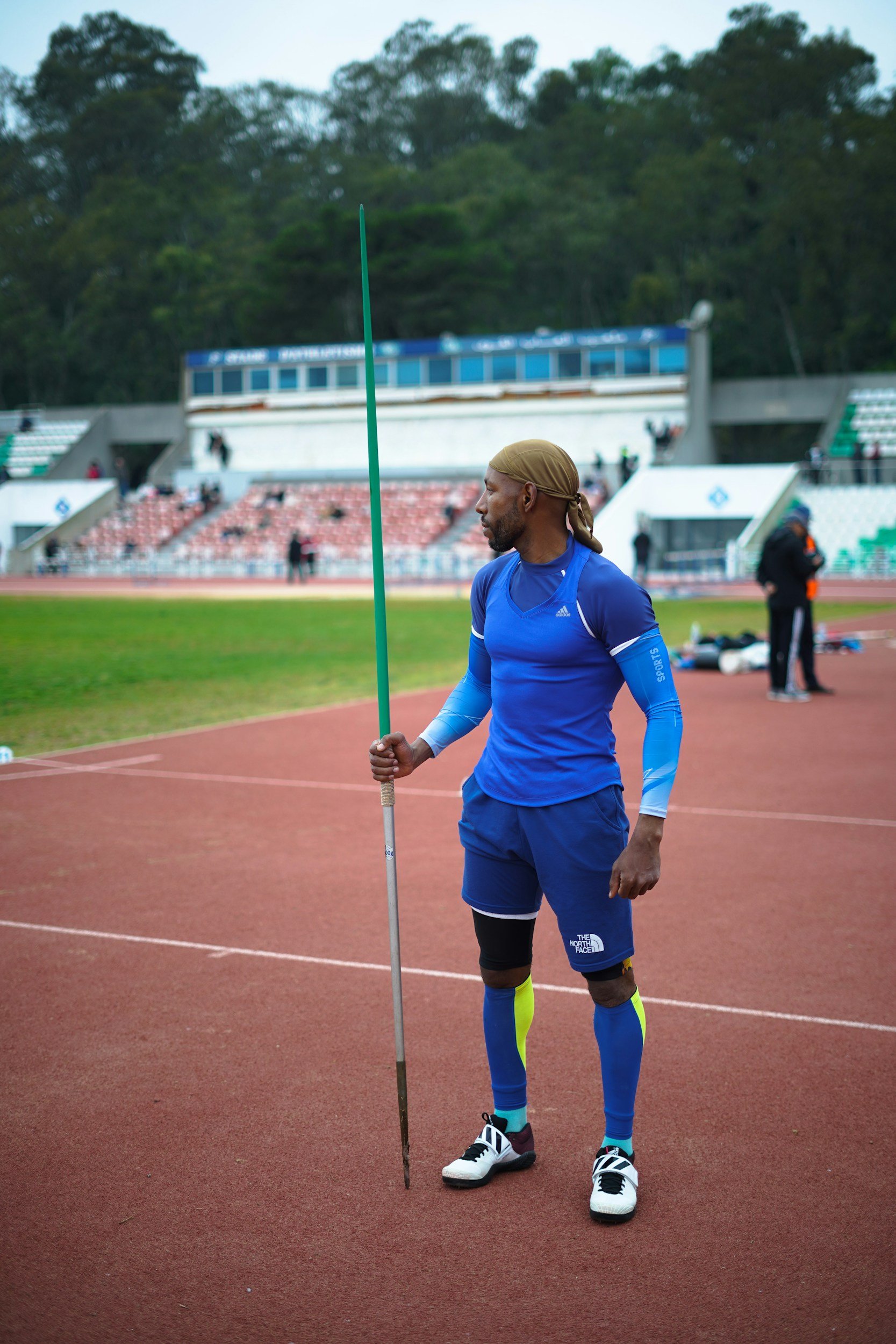
Suitable for athletes and active people experiencing:
Recurrent or unexplained injuries
Performance inconsistency
Excess tension during training or competition
Breathing restriction under effort
Difficulty recovering between sessions
How to benefit
Individual or group learning
Athletes may learn the Alexander Technique through:
Private lessons, tailored to sport-specific movements and goals
Group classes or workshops, supporting shared learning and integration
Lessons are adapted to the athlete’s level, sport, and stage of training or recovery.
Free introductory sessions, group classes, and private lessons are available in northern Melbourne.
→ Contact Cathy to ask a question or book a session